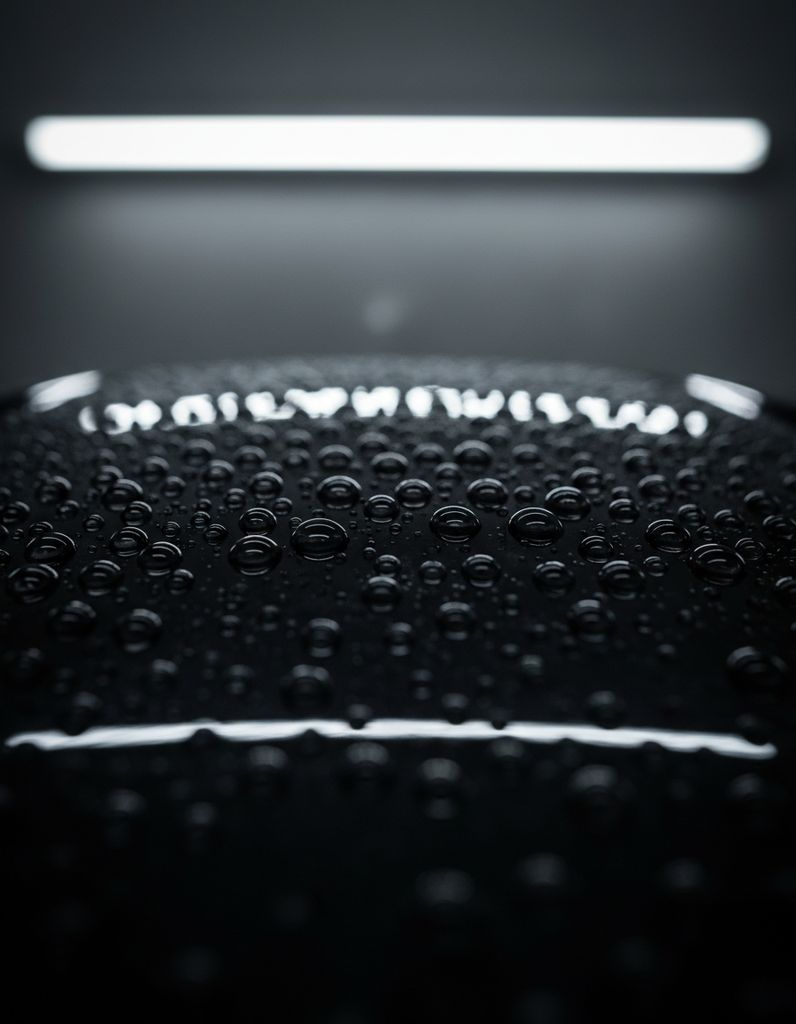
 Platinum Detailing
Cookie Preferences
We use essential cookies to ensure our website functions correctly. No tracking or advertising cookies are used. By continuing, you accept our use of essential cookies.
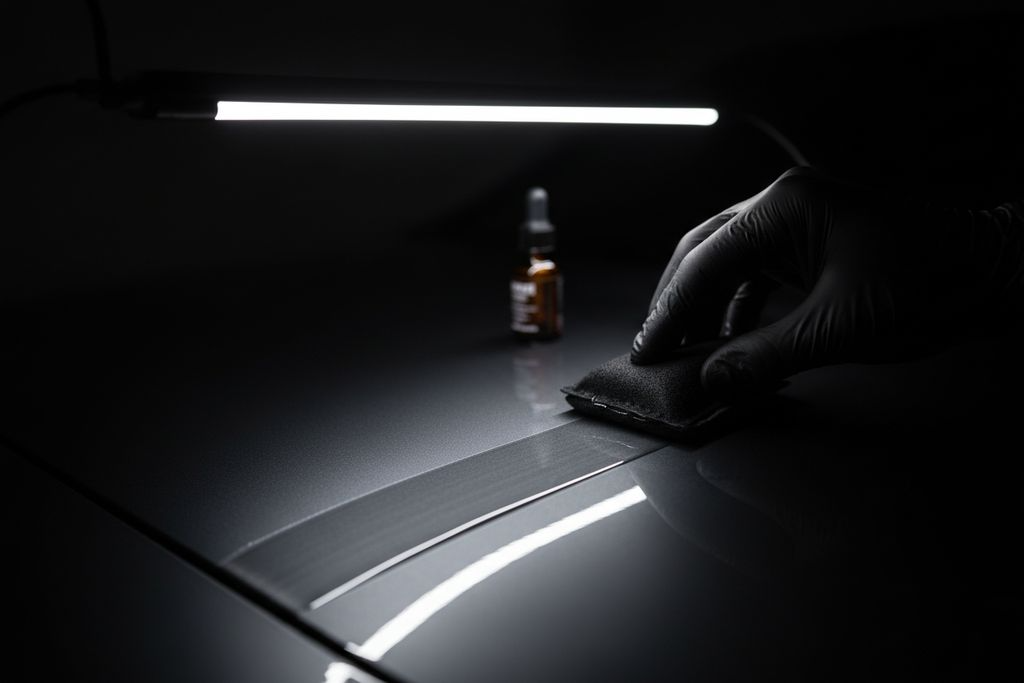
What a ceramic coating actually is
A ceramic coating is a liquid polymer that chemically bonds to your vehicle's clear coat and cures into a hard, transparent layer. Unlike wax, which sits on the paint and washes away over months, a coating becomes part of the surface. It does not change how the paint looks so much as it changes how the paint behaves — water sheets off it, dirt struggles to bond to it, and the chemicals that etch unprotected lacquer meet a sacrificial barrier first.
That distinction matters commercially. You are not buying a shine — a good machine polish gives you that for a fraction of the price. You are buying years of the paint staying the way it looks on collection day. If the paint is not right first, correction is the job that comes before this one.
What we apply, and how long it holds
We are Gtechniq accredited and apply their system rather than rotating through whatever is cheapest that quarter. Durability figures below are the manufacturer's ratings for properly maintained paint.
Gtechniq Crystal Serum Light
A hard, high-gloss body coating applied over corrected paint. It is the baseline we recommend for anyone who wants protection to outlast a season rather than a wash.
Daily-driven cars kept outside, and owners who want the finish held for a couple of years without re-applying anything.
Gtechniq Crystal Serum Light + Gtechniq EXO V4
Gtechniq EXO V4 is layered on top of Crystal Serum Light rather than used alone. The base layer provides the hardness and chemical resistance; the top layer adds the water behaviour and slickness, and takes the wear.
Owners protecting a car they intend to keep, and anyone who wants the strongest system we apply to bodywork.
Gtechniq G1 Clear Vision
A glass coating for the windscreen. Rain beads and clears at speed, night glare through a wet screen is reduced, and wiper use drops noticeably in heavy weather.
Anyone who drives at night or in Devon winters. It is the single upgrade most owners notice day to day.
Premium paint sealant
Not a ceramic coating. A sealant is the protection included with our Deep Clean Package — real protection, shorter life, no correction prerequisite.
Cars being prepared for sale, or owners who want the finish sharpened now and are not ready to commit to coating.
Coatings are quoted per vehicle after inspection — see New Car Protection if the car is fresh from the dealer, or Used Car Protection if it has history to undo first.
Four things coating does not do
“A coating makes your car scratch-proof.”
It does not. A coating is measured in microns and adds meaningful chemical and chip resistance, but a coated car washed with a dirty sponge will still swirl. What a coating changes is how easily dirt releases — which means safer washing, which is where swirls actually come from. If physical impact protection is the goal, paint protection film is the honest answer, and we will tell you so.
“You never have to wash a coated car.”
You wash it less often and it cleans far more easily, because contamination struggles to key into the surface. But road film, iron fallout and traffic grime still land on it. A coating that is never maintained will underperform its rated life — the durability figures assume normal care, not neglect.
“Coating hides swirls and scratches.”
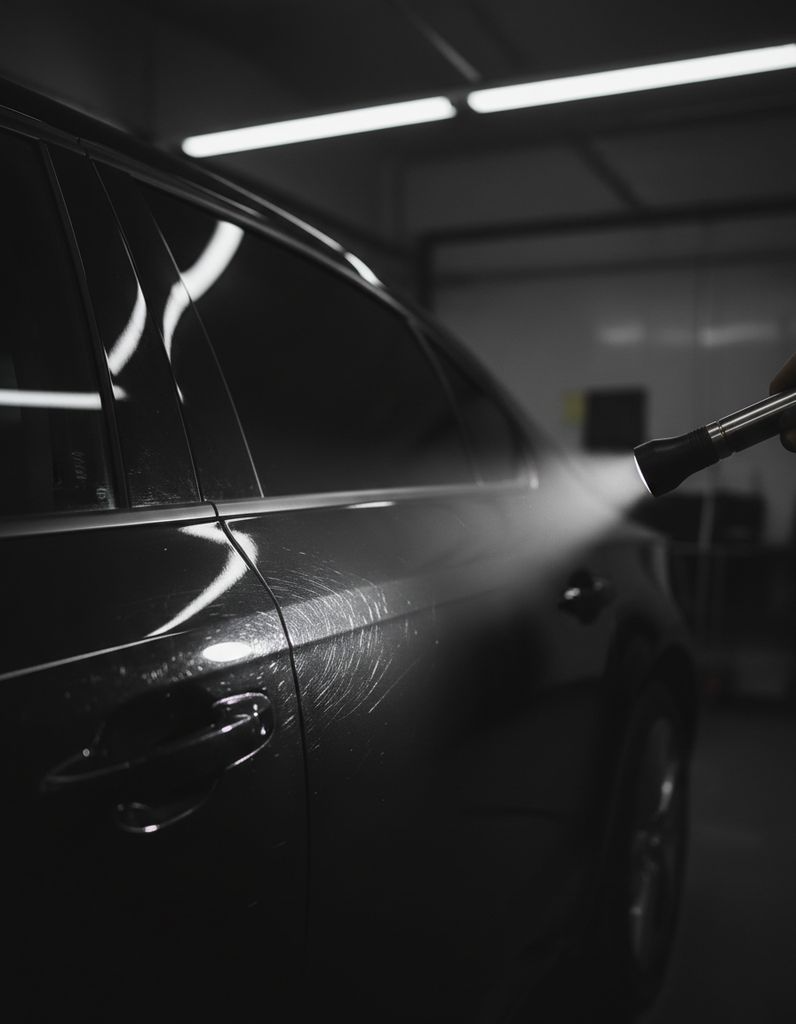
It is transparent, so it amplifies whatever is underneath. Applying coating over defective paint locks those defects in for the life of the coating — which is why correction always comes first. A coating applied over swirls is money spent preserving them.
“All ceramic coatings are much the same.”
The chemistry differs, but the larger variable is preparation and the person applying it. An excellent coating applied over uncorrected, poorly decontaminated paint in a dusty space will underperform a modest coating applied properly. Most of what you are buying is the day of work that happens before the coating comes out of the bottle.
When it isn't worth it
We turn this work down more often than you would expect. Four cases where coating is the wrong purchase:
- You are selling the car within a few months. A Deep Clean Package with a sealant presents it just as well for a fraction of the outlay.
- The paint is failing — lacquer peel, previous respray breaking down, deep scratches through to primer. Coating cannot bond reliably to failing lacquer, and no coating repairs it.
- You use automatic car washes and do not intend to stop. Brush washes will mark the coating exactly as they mark paint, and you will have paid for protection you are actively undoing.
- You want the paint to look corrected but do not want to pay for correction. Coating without correction is the one combination we will decline — it permanently seals in the defects.
If you are preparing a car for sale, the Deep Clean Package is usually the better spend. If you want the finish held between details, maintenance detailing does more for the paint than another layer of protection.
What owners ask before committing
More on the main FAQ, or read how to look after a coated car before you commit.